ChoreBucks started the way many family projects do: with a problem, a spreadsheet, and a dad who was tired of the same argument every Sunday evening.
The Sunday Night Problem
Every Sunday in our house used to follow the same script. The kids would ask for their allowance. I'd ask if they'd done their chores. They'd say yes. I'd say I didn't remember seeing the dishwasher emptied. They'd insist they did it on Tuesday. I'd have no way to verify. Frustration all around.
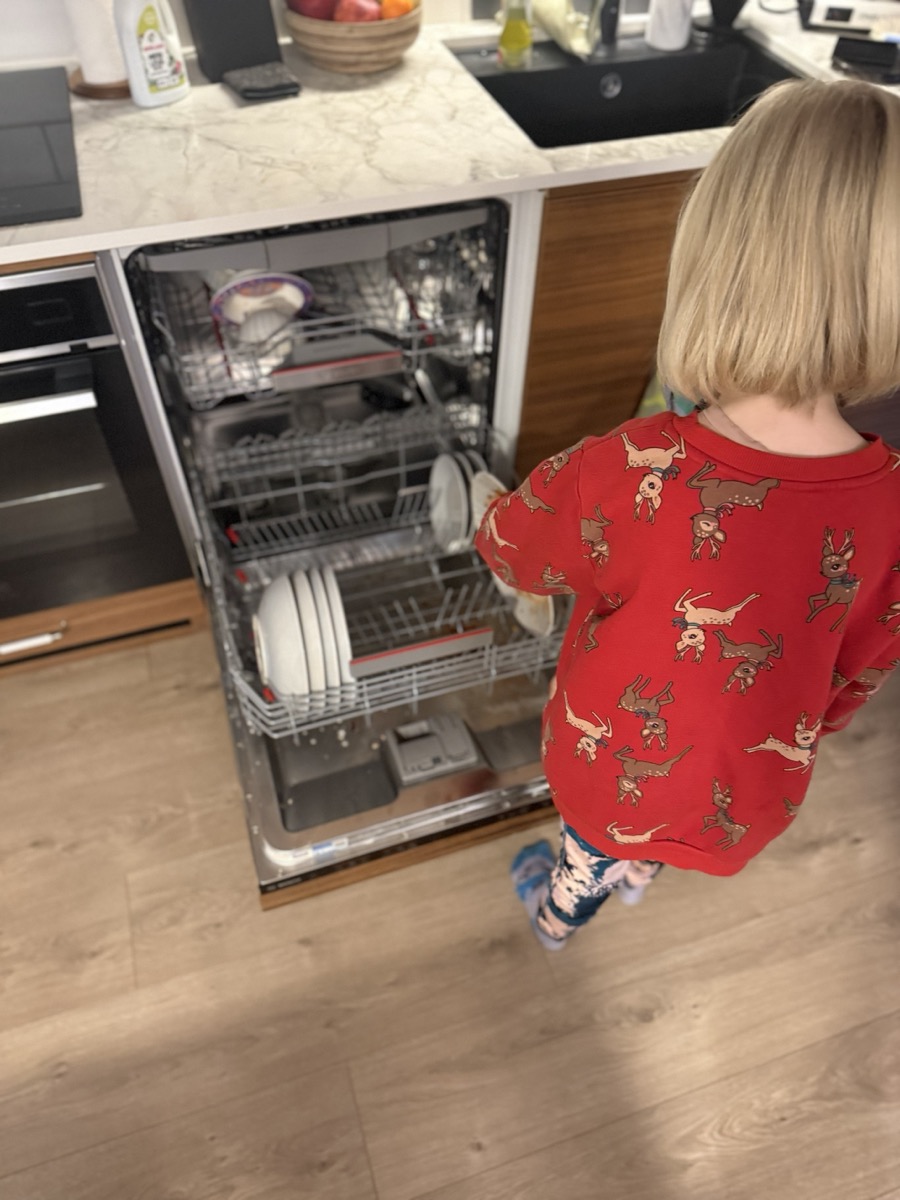
We tried paper chore charts on the fridge. They worked for about two weeks before becoming wallpaper everyone ignored.
So I did what any developer dad would do: I made a spreadsheet.
The Spreadsheet Era
The spreadsheet was glorious. Days of the week as rows, columns for mandatory and extra chores for each child, color coding for completion status, and a legend showing each chore's value. I was proud of it. I printed it out and stuck it on the fridge door every week, and we'd mark completions by hand with a pen.
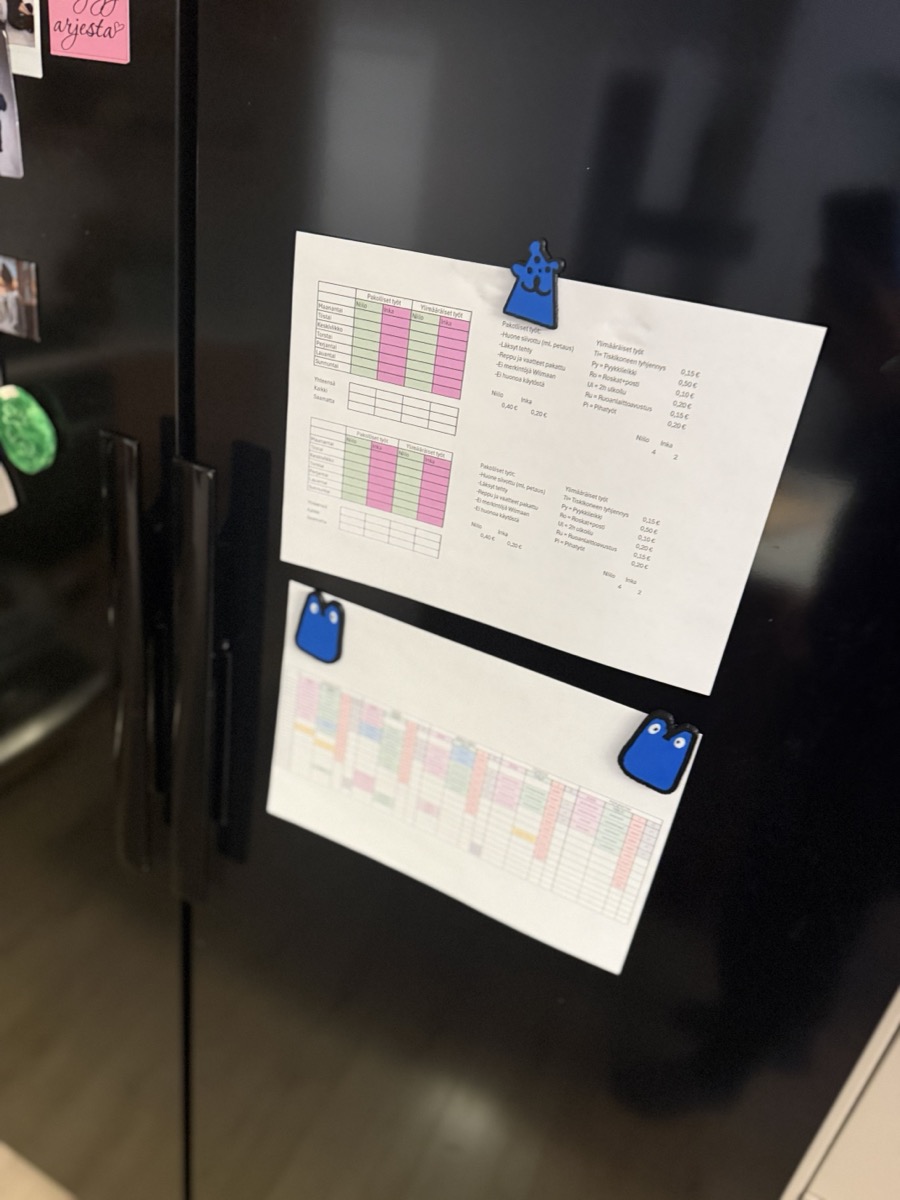
That got forgotten too. Papers piled up, nobody remembered to mark anything, and we were back to Sunday night arguments.
My wife suggested we needed an app. I searched, but couldn't find a clear alternative. Existing apps were either just simple checklists or way too complicated. None of them supported our system: age-based allowance with chore quotas.
Building What We Needed
In 2024, I started building ChoreBucks. Not to start a company—just to solve our family's problem.
I knew exactly what I wanted: age-based allowance with chore quotas. Each child gets an amount based on their age, but only if they've completed their required chores. Simple, fair, transparent.
Parents should be able to configure the rules flexibly. Flat amount or age-based? Weekly or monthly? Which chores are mandatory? All configurable. But kids should see something simple: here are your tasks, here's what you've earned, done.
We tested it as a family for a few weeks. The kids actually used it—a minor miracle. They liked seeing their earnings add up. They liked having proof when they said they'd done something. They stopped "forgetting" tasks because the app reminded them.
My wife liked not being the bad guy. The app tracked everything. No more arguments about who did what when.
Launch
I showed the app to a few friends with kids. The feedback was positive. In December 2025, we launched on the App Store and Google Play.
Now we're waiting to see if other families find the same solution that worked for us.
What We Believe
Building ChoreBucks taught me something: the best family apps come from actual families. Not from focus groups or market research, but from real problems that real parents face every day.
We also made some deliberate choices that go against typical app design:
- No leaderboards between siblings. Kids compete against their own goals, not each other.
- No daily streaks that create guilt. Life happens. Miss a day, no problem. The app doesn't punish real life.
- One price for the whole family. Not per-child pricing. That felt wrong.
- Your data stays yours. No tracking, no selling, no ads. Just a family tool.
What's Next
I still work on ChoreBucks every day. New features come from user feedback—many from my own kids, who are delighted to point out everything I should improve. The virtual pet system? My daughter's idea. The savings goals with visual progress? My son wanted to save for a new game and needed to "see" how close he was.
ChoreBucks is a family project. Hopefully it helps your family too.
— Oskari, Founder of ChoreBucks / Askareet